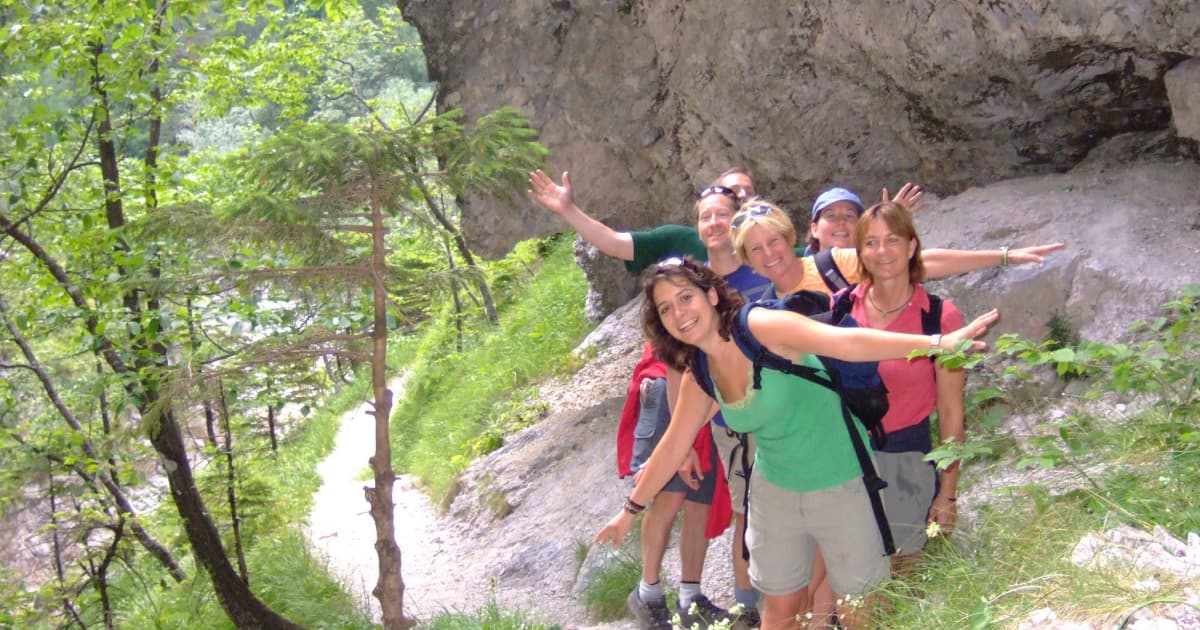
Hey there, fellow wanderer. Picture this: You’re perched on a jagged cliff in Patagonia, heart pounding as you clip into your harness for a rappel down into a turquoise glacial lagoon. The wind whips your face, and for a split second, you wonder if you’ve bitten off more than you can chew. But then you drop, feet skimming the water, and that rush? It’s pure magic—the kind that rewires your brain and leaves you grinning like a fool for days. That’s adventure travel in a nutshell, at least how I first tasted it back in 2012 on a solo trek through New Zealand’s Fiordland. I was 28, fresh out of a dead-end job, and terrified of heights. Spoiler: I survived. And it changed everything. If you’re curious about dipping your toes into this wild world—or diving headfirst—stick with me. We’ll unpack what it really means, why it hooks you, and how to make it your own without the rookie regrets.
Defining Adventure Travel
Adventure travel isn’t some extreme-sports-only club for adrenaline junkies in cargo pants. At its heart, it’s about stepping into the unknown with intention, blending physical challenge, cultural connection, and a healthy dose of nature’s raw beauty. Think of it as tourism’s rebellious cousin: less lounging by infinity pools, more scrambling up misty trails or paddling through mangrove mazes at dawn.
According to the Adventure Travel Trade Association (ATTA), it boils down to trips that weave in at least two of these threads: physical activity, cultural exchange, or interactions with the natural world. It’s grown from niche expeditions—like the 1953 Everest climb that kicked off modern buzz—to a booming $683 billion industry by 2025, drawing everyone from desk-bound millennials to empty-nesters chasing sunrises. What ties it all together? That spark of discovery. It’s not just seeing Machu Picchu; it’s earning the view with a multi-day Inca Trail hike, swapping stories with Quechua guides over coca tea. For me, it started small—a wobbly kayak paddle in Alaska’s Inside Passage—but it snowballed into a life where “vacation” means unplugging from Wi-Fi and plugging into the pulse of somewhere new.
The Evolution of Adventure Travel
From ancient explorers charting unclaimed seas to today’s overland convoys snaking through the Pamirs, adventure travel has always mirrored our itch to push boundaries. Post-WWII, it exploded with feats like the Annapurna ascent, but the real shift hit in the ’90s: accessible gear, eco-conscious operators, and social media turning “I summited Kilimanjaro” into viral gold.
Now, in 2025, it’s democratized—think micro-adventures like weekend via ferrata in the Dolomites or virtual-reality prep for Antarctic kayaking. Women’s participation has surged 30% in the last decade, closing the gender gap in once-male-dominated pursuits. And sustainability? It’s non-negotiable. Operators like G Adventures now bake in carbon offsets and community funds, ensuring your trek funds local schools, not just your selfies. It’s evolved from reckless conquest to mindful quest, proving you can chase thrills without leaving footprints on fragile ecosystems.
Types of Adventure Travel
Adventure comes in flavors as varied as the landscapes it craves, from heart-pounding hard-core escapades to gentler soft explorations that still stretch your soul. Hard adventures demand skills and stamina—think free-soloing El Capitan or multi-day whitewater runs on the Colorado. Soft ones invite beginners: guided birdwatching in the Amazon or e-biking Tuscany’s vine-draped hills.
Overlanding bridges the gap, with rugged 4×4 treks through Africa’s savannas, while voluntourism layers purpose, like building trails in Nepal. For urban twists, city-based adventures mix street art hunts in Berlin with rooftop yoga. No matter the type, it’s personal—what’s “extreme” for a city slicker might be a stroll for a mountaineer. I once laughed off a “soft” yoga retreat in Bali as too tame, only to wake up sore from warrior poses at 5 a.m. amid monkey chaos. Lesson learned: Your adventure, your rules.
Hard vs. Soft Adventure: A Quick Comparison
| Aspect | Hard Adventure | Soft Adventure |
|---|---|---|
| Intensity | High-risk, skill-intensive (e.g., ice climbing) | Low-moderate, accessible (e.g., scenic hikes) |
| Prep Needed | Training, certifications | Basic fitness, guided support |
| Examples | Paragliding Alps, deep-sea diving | Whale watching, cultural walks |
| Best For | Thrill-seekers, experienced travelers | Beginners, families |
| Cost Range | $2,000–$10,000+ per trip | $500–$3,000 per trip |
This table highlights how both satisfy that exploratory itch, just at different volumes. Hard amps the adrenaline; soft builds quiet confidence. Pick based on your vibe—I’ve done both, and honestly, a “soft” sunset paddle can rival any summit high.
Pros and Cons of Adventure Travel
Adventure travel’s allure is undeniable, but like any good story, it has its plot twists. On the upside, it forges unbreakable bonds—nothing unites strangers like sharing a tent during a Patagonian storm. Physically, it’s a reset button: Studies show it slashes stress hormones by 20% and boosts endorphins, leaving you sharper and happier back home. Culturally, it flips scripts; chatting with Maasai elders over chai reveals worlds beyond guidebooks. Environmentally savvy trips even give back, funneling 65% of fees into local economies versus mass tourism’s measly 5%.
But let’s keep it real—it’s not all epic sunrises. Risks lurk: Twisted ankles on uneven trails, altitude sickness at 14,000 feet, or that gut-wrenching moment when your raft flips in Class IV rapids. (Been there; emerged sputtering but alive.) Costs add up—gear, guides, insurance—and remoteness means spotty cell service when you crave a bailout call home. Plus, the emotional toll: Homesickness hits harder amid isolation. Yet, for me, the pros eclipse the pitfalls; that post-trek glow? Worth every blister.
Pros and Cons List
Pros:
- Personal Growth: Builds resilience and self-reliance—conquering a fear of heights rewires your “I can’t” to “Watch me.”
- Health Boost: Combines cardio with mindfulness; one study linked it to better sleep and lower anxiety long-term.
- Authentic Connections: Deeper dives into cultures, like homestays in Bhutan, foster empathy you can’t Google.
- Eco-Impact: Supports conservation; trips to Costa Rica’s rainforests fund reforestation.
Cons:
- Safety Risks: Higher injury odds in remote spots—always vet operators via ATTA’s directory (adventuretravel.biz).
- Physical Demands: Exhaustion if you’re undertrained; start slow to avoid burnout.
- Higher Costs: Premium for expertise, but budget hacks like group joins slash expenses.
- Environmental Strain: Overcrowding in hotspots like Everest Base Camp—opt for off-season or low-impact routes.
Balancing these keeps the joy front and center. I weigh them pre-trip, journaling what scares and excites me. It turns potential cons into character arcs.
Top Adventure Destinations for 2025
2025’s adventure scene pulses with fresh frontiers, from rewilding hotspots to cultural revivals. Kazakhstan tops Lonely Planet’s list for its untamed steppes and uncrowded Sairam-Ugam trails—think horseback epics echoing Genghis Khan. Morocco’s Atlas Mountains beckon with new direct flights from NYC, blending kasbah treks and Sahara overnights. For polar thrills, Antarctica’s small-ship cruises offer kayaking amid icebergs, now with greener itineraries.
Closer to home, Canada’s Icefields Parkway dazzles with glacier hikes and wildlife spotting—grizzlies optional. Bansko, Bulgaria, morphs from ski haven to year-round nomad hub, with via ferrata and thermal soaks. And don’t sleep on Laos’ Vang Vieng: Ziplines over karsts and tubing the Nam Song for budget bliss. These spots aren’t just pretty; they’re transformative. My 2024 Patagonia jaunt—tormented by gales, rewarded by granite spires—remains my benchmark for “bucket-list worthy.”
Must-Try Spots Bullet Points
- Kazakhstan: Epic Silk Road overlands; beginner-friendly yurts.
- Morocco: Multi-day camel treks; cultural immersion in Berber villages.
- Antarctica: Zodiac cruises; penguin encounters (ethical operators only).
- Canada’s Rockies: Banff bear safaris; via ferrata for vertigo fans.
- Laos: Cave tubing; affordable, low-crowd vibes.
Pro tip: Cross-reference with Tripadvisor’s 2025 Best of the Best for traveler-vetted gems.
Essential Gear for Adventure Travel
Gear isn’t about hoarding gadgets; it’s your silent co-pilot, turning “what if” worries into “I’ve got this.” Start with versatile basics: A 40L Osprey backpack for day hauls, merino wool layers that wick sweat and stifle odors (Ibex Essentials Cami’s my ride-or-die), and trail runners like Hoka Speedgoats for grip without blisters.
Hydration’s non-negotiable—a Grayl filter bottle purifies sketchy streams, saving cash and plastic. For tech, a solar charger keeps your Garmin alive for offline maps. And safety? REI’s Ten Essentials: Navigation, sun protection, insulation, illumination, first-aid, fire, repair kit, nutrition, hydration, emergency shelter. I once forgot my headlamp on a Scottish Munro hike—stumbled home by moonlight, vowing never again. Test everything pre-trip; broken-in boots beat roadside regrets.
Gear Essentials Table
| Category | Must-Have Items | Why It Matters | Budget Pick (~2025 Prices) |
|---|---|---|---|
| Pack & Carry | 30-55L backpack, daypack | Versatility for multi-days | Osprey Daylite ($60) |
| Clothing | Merino base layers, quick-dry pants | Odor-resistant, multi-use | Patagonia Capilene ($40) |
| Footwear | Trail shoes, wool socks | Comfort on uneven terrain | Merrell Moab ($120) |
| Hydration | Filtered bottle, collapsible bladder | Safe water anywhere | Nalgene + Sawyer ($30) |
| Safety | First-aid kit, multi-tool | Quick fixes for mishaps | Adventure Medical ($25) |
| Navigation | GPS watch, offline maps app | No-signal security | Garmin InReach ($350) |
Layer smart: Base for sweat, mid for warmth, shell for storms. Shop sustainable—Patagonia or Cotopaxi prioritize recycled materials.
Planning Your First Adventure Trip
Diving in? Treat planning like plotting a heist: Scout operators via ATTA’s vetted list (adventuretravel.biz), budget $1,500–$5,000 for a week-long intro trip, and book 6–9 months out for peak seasons. Start with guided groups—G Adventures or Intrepid excel for beginners, blending structure with wiggle room.
Visas, vaccines, insurance: Nail these early. Allianz or World Nomads cover adventure add-ons like heli-skiing. For flights, Google Flights’ explore map hacks flexible dates. My first solo? A Costa Rica zip-line tour—booked via REI Adventures, it was $800 all-in, complete with sloth-spotting. Pro move: Build a loose itinerary, but leave 20% for serendipity. That detour to a hidden cenote? Trip highlight.
Safety and Sustainability Tips
Safety’s your North Star—80% of mishaps stem from skipping prep. Train incrementally: Couch-to-5K apps for hikes, PADI e-courses for dives. Share itineraries via Garmin InReach, and heed guides—I’ve ignored “easy” trails only to eat humble pie. Insurance? Mandatory; standard policies ghost extreme sports.
Sustainability flips the script from taker to giver. Follow Leave No Trace: Pack out poop, stick to paths. Choose B-Corp certified outfits like Backroads. Offset flights via Gold Standard projects, and tip locals generously—it recirculates wealth. In Bhutan, my group’s trail cleanup bonded us with villagers; felt like paying forward the magic.
People Also Ask
Ever Googled “what is adventure travel” and spiraled into those “People Also Ask” rabbit holes? Me too. Here’s the scoop on real queries, pulled straight from search trends. Short, sweet, and spoiler-free.
What are examples of adventure travel?
From rafting the Zambezi’s roar to foraging with Sami herders in Lapland, it’s anything blending sweat, stories, and scenery. My fave: Overnighting in Iceland’s lava caves—echoey, eerie, unforgettable.
Is adventure travel safe?
Safer than skydiving stats suggest when you prep right—guides cut risks by 70%. Vet via reviews, gear up, and listen to your gut. That “off” vibe on a Thai island tour? I bailed—smart call.
What is the difference between adventure travel and eco-tourism?
Adventure amps the action (think summit pushes); eco-tourism prioritizes low-impact immersion, like silent safaris. They overlap—my Galapagos snorkel was both.
How much does adventure travel cost?
Entry-level: $500–$1,500/week (Laos tubing). Premium: $5,000+ (Antarctic cruises). Factor gear ($200–$500 startup). Hack: Group deals slash 20–30%.
Who is adventure travel for?
Anyone with curiosity over credentials—solo 30-somethings, retiree birders, even families. It’s scaled; my aunt, 65, nailed a soft Costa Rica canopy walk.
FAQ
Got lingering Qs? These pop up in my DMs weekly—real talk from a decade on the road.
What’s the best beginner adventure trip?
Costa Rica’s a no-brainer: Affordable ($800–$1,200), diverse (ziplines to sloth hikes), and English-friendly. Book via Intrepid for seamless logistics.
How do I prepare physically for adventure travel?
Ease in: 3 months of HIIT or yoga, plus hikes building to 10 miles. Hydrate like it’s your job—dehydration sneaks up fast at altitude.
Where to find reputable adventure tour operators?
ATTA’s directory (x.ai/api wait, no—adventuretravel.biz) is gold. Or REI Co-op Adventures for U.S.-based trust.
Can families do adventure travel?
Absolutely—think kid-friendly Kenya safaris or Swiss family hikes. Operators like EF Explore tailor paces; my niece’s first zip-line? Priceless confidence boost.
How to travel sustainably on an adventure budget?
Offset via Cool Effect, eat local (street eats over imports), and join voluntourism. Small swaps—like reusable bottles—add up without breaking the bank.
There you have it—your roadmap to adventures that stick. Whether it’s a whisper-quiet fjord paddle or a thunderous waterfall leap, this world’s begging for your footprint. What’s calling you first? Drop a comment; let’s plot your escape. Safe trails, friend—the best stories start with one step.