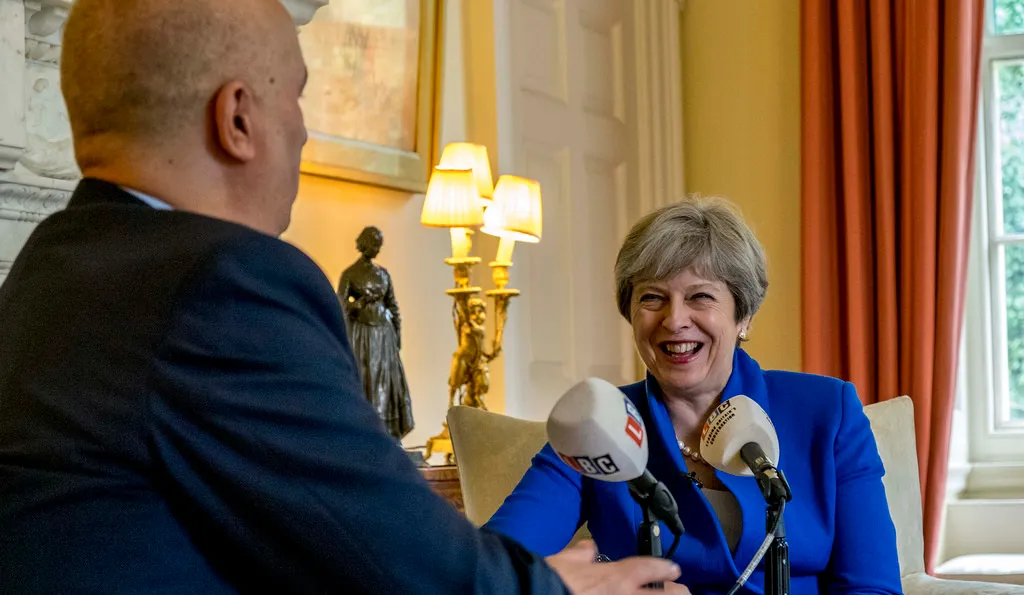
Hey there, if you’re reading this, I bet you’ve got that fire in your belly—the kind that makes you stay up late scrolling through election results or arguing policy over coffee with friends. I know the feeling all too well. Back in my early twenties, fresh out of a poli sci program that felt more like a debate club than a career launchpad, I dreamed of chasing scoops in D.C. or Westminster. Instead, I started small, covering city council meetings that were about as glamorous as watching paint dry. But those dusty sessions? They led to my first byline, then an internship, and eventually a gig reporting on state legislatures. Today, after a decade in the trenches—from freelance hustling to staff writer at a mid-sized outlet—I’m here to share the real-deal path. No fluff, just the steps that worked for me and countless others who’ve cracked this tough nut. Let’s dive in and get you breaking in.
What Is Political Journalism, Anyway?
Picture this: You’re not just reporting facts; you’re decoding the chaos that shapes our world. Political journalism covers everything from local zoning battles to global summits, focusing on power, policy, and the people wielding (or fighting) it. It’s the beat where curiosity meets consequence—think Watergate whispers or viral election-night threads.
At its core, it’s about holding the mighty accountable while making complex issues click for everyday readers. Whether you’re dissecting a budget bill or interviewing a candidate, the goal is clarity over spin. I’ve seen it transform lives, like when a story I wrote on voting rights sparked a community drive that registered hundreds.
But here’s the light-hearted truth: It can feel like herding cats in a thunderstorm. Politicians dodge questions like pros, and deadlines don’t care about your coffee spill. Still, if you thrive on the thrill, this is your arena.
Why Pursue a Career in Political Journalism?
Let’s be honest—it’s not for the faint of heart or the nine-to-five crowd. The pull? You get a front-row seat to history in the making. I once covered a gubernatorial debate where a offhand remark flipped the race; that adrenaline rush beats any desk job.
Beyond the buzz, it’s a chance to drive change. Good political reporting informs voters, exposes corruption, and amplifies voices that get drowned out. In a divided world, your words can bridge gaps or ignite action—I’ve felt that emotional high when feedback rolls in from readers saying, “This helped me vote smarter.”
Sure, the field’s evolving with digital shifts, but the reward is timeless: Shaping public discourse. If that sparks something in you, stick around; the steps ahead will light your way.
The Passion Factor
What lights you up about politics? For me, it was a college mock election gone hilariously wrong—candidates bribing voters with pizza—that hooked me on the human drama behind the suits.
That spark keeps you grinding through rejections. Nurture it by journaling hot takes or debating with pals; it’ll fuel your unique voice in a sea of sameness.
The Reality Check
Humor alert: Expect more “no’s” than “yes’s” at first. But each one toughens you up, like training for a marathon where the finish line moves.
Emotionally, it tests your skin—trolls are par for the course. Yet, landing that first story? Pure magic. Balance the grit with self-care; burnout’s the real villain here.
Building Your Foundation: Education and Skills
No cap and gown required, but smart prep sets you apart. A bachelor’s in journalism, communications, or political science gives you the toolkit—think reporting basics and policy deep dives. I paired poli sci with a minor in media; it was like unlocking cheat codes for interviews.
Online programs shine for flexibility; check out LSU’s Mass Communication degree for a poli-focused twist. Master’s? Optional but gold for networking—aim for spots like Columbia or Northwestern if you’re gunning big.
Skills-wise, hone writing that’s punchy and precise. Read voraciously: The Atlantic for longform, Politico for bite-sized scoops. And don’t sleep on ethics courses; trust is your currency in this game.
Key Skills Breakdown
- Research Mastery: Dig like a detective—public records, FOIA requests, data dives. Tools like LexisNexis are your best friend.
- Interviewing Prowess: Ask the tough questions kindly. Practice on profs or locals; I bombed my first but nailed the next.
- Ethical Compass: Bias kills credibility. Fact-check obsessively; I’ve regretted shortcuts more than late nights.
Step 1: Start Local and Build Clips
Don’t eye the White House yet—ground yourself in your backyard. Local politics is the ultimate boot camp: Cover school boards, mayoral races, or zoning fights. It’s accessible, impactful, and low-barrier; I cut my teeth at a weekly paper, turning pothole complaints into page-one gold.
Aim for 5-10 clips fast. Pitch to community rags or blogs; even unpaid starts count. Remember, every pro was a newbie once—Natasha Clark at The Sun started with council scraps before Westminster glory.
This step builds resilience. My first “scoop” was a recycled tire scandal—mundane, but it taught me sources trust persistence over polish.
Step 2: Land Internships and Fellowships
Internships are your golden ticket—unpaid or not, they’re resume rocket fuel. Target outlets like Roll Call or local NPR affiliates; they offer real reporting, not coffee runs. I snagged a summer spot at a statehouse press corps by cold-emailing editors with tailored pitches.
Fellowships? Game-changers for fresh grads. Programs like the Politico Journalism Institute or GroundTruth provide paid gigs, mentors, and bylines. Apply early; they’re competitive but transformative—Ben Schreckinger parlayed one into POLITICO stardom.
Pro tip: Network shamelessly at events. I once bonded with a editor over bad convention food; led to my break.
Pros and Cons of Internships
| Aspect | Pros | Cons |
|---|---|---|
| Experience | Hands-on reporting, skill-building | Often unpaid, long hours |
| Networking | Direct access to pros | Competitive spots |
| Portfolio Boost | Quick clips for your reel | Relocation hassles |
Step 3: Craft a Killer Portfolio
Your portfolio isn’t a scrapbook—it’s proof you deliver. Curate 8-12 pieces: Mix news, analysis, multimedia. Include local hits, freelance opinion, even a self-published e-book if it flexes expertise, like Gillian Davis did to crack outlets.
Host on a clean site like Contently or Squarespace. For political bent, highlight policy breakdowns or voter impact stories. Mine started basic but evolved; update quarterly.
Tailor for applications—link to a Google Drive folder for editors. Authory’s a gem for backing up clips securely.
Networking: Your Secret Weapon
Journalism’s a people game—loners starve. Hit conferences like the Online News Association or local SPJ mixers. Follow pros on X (formerly Twitter); engage thoughtfully, not spammily. I landed a mentor by retweeting a thread with smart questions.
LinkedIn’s underrated: Connect with alums, comment on posts. Cold emails work—keep ’em short: “Loved your piece on [topic]. Quick question on sourcing.” Join Reddit’s r/Journalism for raw advice; threads there echo my early hustles.
Emotional nudge: That first coffee chat? Nerve-wracking, but it humanizes you. Build genuine ties; they’re your lifeline in lean times.
Networking Tips Bullet
- Attend 1-2 events monthly—virtual counts.
- Follow up with value: Share a relevant article.
- Diversify: Mix vets with peers for balanced insights.
- Track contacts in a simple CRM like Notion.
Essential Tools for Aspiring Political Journalists
Gear up right—tools turn chaos into clarity. Free ones first: Twitter for real-time buzz, Google Alerts for topic tracking. For research, FactCheck.org debunks claims fast.
Paid picks? LexisNexis for deep dives, Canva for visuals. NotebookLM’s AI shines for summarizing docs—upload transcripts, get insights. I swear by Muck Rack for pitching.
Where to get them? Start free trials; many outlets reimburse. Best for beginners: A mix of research (Pinpoint) and writing (Grammarly).
Tool Comparison Table
| Tool | Best For | Cost | Why It Rocks |
|---|---|---|---|
| Twitter/X | Networking & Trends | Free | Instant access to sources |
| LexisNexis | In-Depth Research | Subscription | Vast archives, unbeatable for politics |
| Canva | Visuals & Infographics | Freemium | Easy, pro-level graphics on a dime |
| NotebookLM | Note-Taking & Analysis | Free | AI magic for interview breakdowns |
Freelancing Your Way In
Freelance bridges the gap—pitch ideas to outlets like The Guardian or local mags. Start with 500-word explainers on niche issues; rates hover $0.25/word entry-level. I freelanced for a year, stacking clips while job-hunting.
Platforms? Upwork for gigs, but aim higher via HARO for expert quotes. Pros: Flexibility, diverse bylines. Cons: Inconsistent pay, self-marketing grind.
Build sustainably: Set rates, invoice promptly. It’s transactional but empowering—your first $500 check feels like winning the lottery.
Freelance Pros & Cons
- Pros: Set your beat, quick portfolio growth, remote-friendly.
- Cons: Feast-or-famine income, no benefits, constant hustling.
Navigating Challenges in Political Reporting
This beat’s brutal—bias accusations fly, threats lurk. Stay neutral: Report facts, let readers judge. I once got hate mail for a balanced piece; it stung, but mentors reminded me: Impact > likes.
Burnout’s sneaky; unplug weekly. Diversity hurdles? Real, but groups like NAHJ push inclusion. Adapt to digital: SEO your pitches, embrace video.
Humor break: Covering elections? Pack snacks—nothing derails like hanger-fueled typos.
People Also Ask: Common Questions on Breaking In
Pulled straight from Google’s PAA for “how to become a political journalist,” these hit searcher pain points. Quick, snippet-optimized answers to match intent.
What Degree Do I Need to Become a Political Journalist?
A bachelor’s in journalism, political science, or communications is ideal—focus on reporting and policy courses. No degree? Bootcamps like Poynter work, but clips trump paper.
How Do I Get My First Political Journalism Job?
Start local: Intern at community papers, freelance for blogs. Network via LinkedIn; aim for entry roles at weeklies. Persistence pays—my first came after 50 rejections.
Is Political Journalism a Good Career?
Yes, if you love chaos and impact. Median pay’s $55K (BLS), but passion offsets long hours. Growth’s steady in digital; specialize in niches like climate policy for edge.
What Skills Are Essential for Political Reporters?
Sharp writing, ethical sourcing, quick analysis. Master interviews and fact-checking; tools like data viz add flair. Soft skills? Thick skin and curiosity.
Can I Break Into Political Journalism Without Experience?
Absolutely—volunteer for student media, blog relentlessly. Build clips via Medium; internships forgive greenhorns. Real talk: It takes 6-12 months of grinding.
FAQ: Real User Questions Answered
Drawn from Quora, Reddit, and forums—here’s the unvarnished truth for common hurdles.
How Do I Start Freelance Political Writing with No Clips?
Blog daily on Substack about local issues; pitch those to small outlets. I began with unpaid guest posts—three months in, paid gigs followed. Focus on value: Solve editors’ needs.
What’s the Biggest Mistake Newbies Make in Political Reporting?
Chasing glamour over substance. Skip viral hot takes; dig into undercovered stories like rural voting. Reddit vets echo: Build trust slowly, or burn bridges fast.
Should I Get a Master’s for Political Journalism?
If switching careers, yes—for skills and networks. Otherwise, invest in fellowships. My advice: Skip debt if you have clips; real-world beats academia.
How Do I Handle Bias in Political Stories?
Triple-source, disclose conflicts. Read widely to challenge views—I alternate Fox and MSNBC. Tools like AllSides rate media slant; use ’em to stay centered.
Where Can I Find Political Journalism Internships?
Check Indeed, LinkedIn, or sites like JournalismJobs.com. Target Politico, CNN—apply off-season. For globals, Reuters’ programs rock. Pro: Many lead to full-time.
Wrapping Up: Your Next Move
You’ve got the map—now walk it. Start today: Pitch one story, connect with one contact. I started skeptical, ended inspired; you will too. This field’s tough, but oh, the stories you’ll tell. Drop a comment—what’s your first step? Let’s cheer each other on.