Imagine sitting down with a cup of coffee, watching the news tick by stories of trade wars, ballooning deficits, and folks struggling to make ends meet. That’s where I was a few years back, during the height of the pandemic recovery, when I lost my job in manufacturing and had to pivot to consulting. It hit home how interconnected our economy is—supply chains snapping, inflation biting into savings, and policies that seemed to favor one side over another. Bringing balance isn’t just policy wonk talk; it’s about real lives, like mine, getting back on track. In this piece, we’ll dive into the imbalances plaguing the U.S. economy and practical steps to steady the ship, drawing from solid economic insights and everyday realities.
Understanding Economic Imbalances in the US
The U.S. economy has roared back from crises like the pandemic, but cracks remain—think persistent trade deficits, federal debt climbing faster than GDP, and uneven labor market recovery. These imbalances stem from over-reliance on imports, fiscal spending outpacing revenues, and external shocks like global supply disruptions. As someone who’s seen factories idle due to cheap foreign goods, I know it feels personal, not abstract. Addressing them requires targeted policies to foster sustainable growth without inflating bubbles.
What Causes Trade Deficits?
Trade deficits happen when imports exceed exports, often fueled by a strong dollar making U.S. goods pricier abroad and domestic savings falling short of investment needs. In 2025, the goods deficit hit near $1 trillion, driven by consumer demand for electronics and autos from Asia. It’s like buying more takeout than you cook at home—convenient short-term, but it hollows out local skills over time. Policies suppressing foreign wages or subsidies exacerbate this, tilting the playing field.
Fiscal Pressures and Debt Dynamics
Federal deficits, hovering at 6% of GDP, push debt toward 200% by mid-century if unchecked, crowding out private investment and hiking interest rates. Post-pandemic stimulus helped recovery but left a hangover of higher borrowing costs. I remember refinancing my home during low rates, only to see them spike—families feel this squeeze daily. Sustainable fiscal paths demand revenue tweaks and spending efficiencies to stabilize the debt-to-GDP ratio.
Monetary Policy’s Role in Stabilization
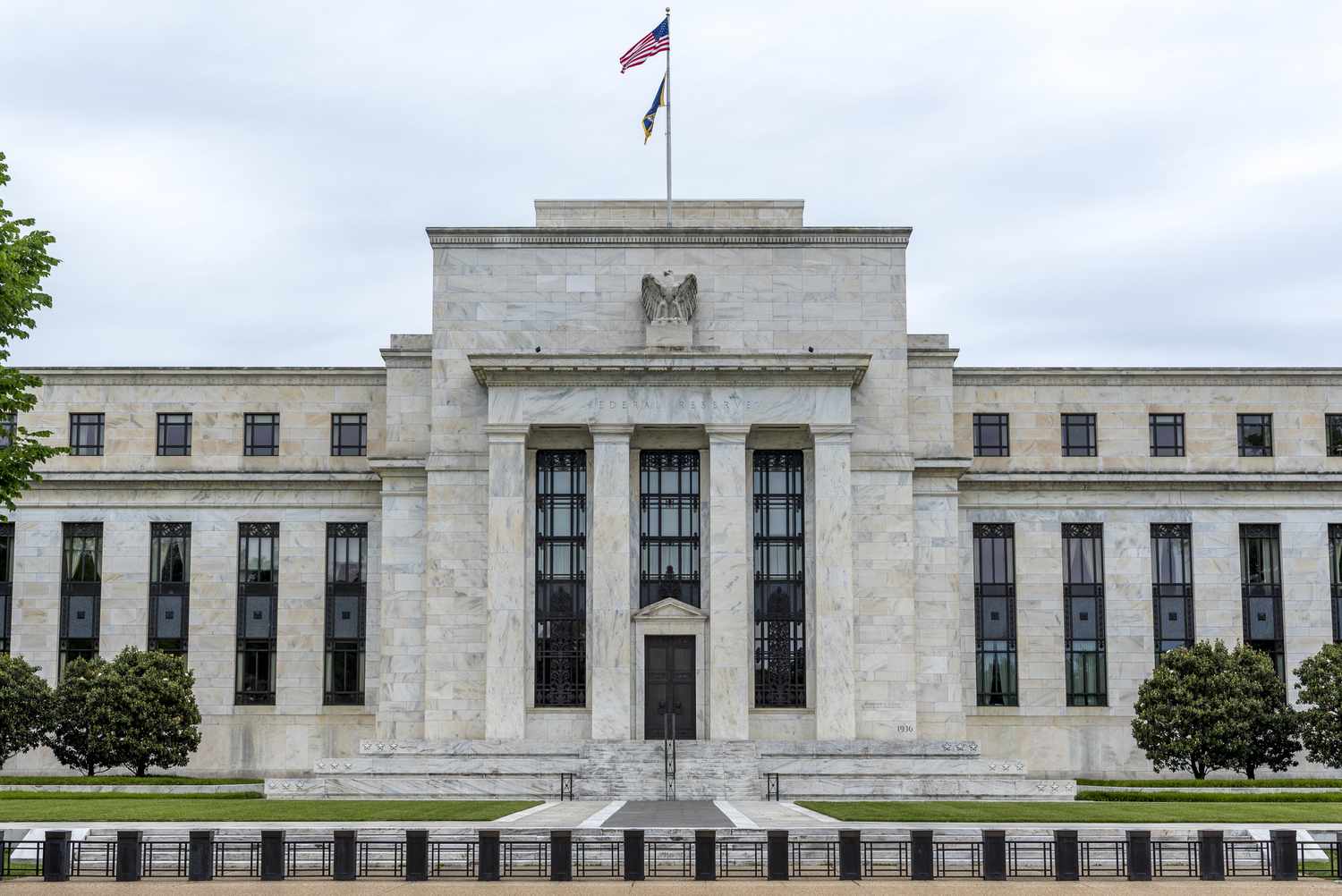
The Federal Reserve wields interest rates and balance sheet tools to tame inflation while supporting jobs, aiming for 2% price stability and maximum employment. In 2025, with rates at 4.25-4.5%, the Fed’s cuts signal easing as inflation cools, but persistent pressures like tariffs complicate the path. It’s a tightrope—too loose, and prices surge; too tight, growth stalls. From my consulting days, I’ve seen businesses thrive or falter on these signals, underscoring the Fed’s real-world impact.
How Interest Rate Adjustments Work
Raising rates cools demand by making borrowing costlier, curbing spending and inflation as in the post-2021 hikes. Conversely, cuts like those in late 2024 boost investment. The Fed’s forward guidance shapes expectations, preventing volatility. Yet, with unemployment low at around 4%, balance means avoiding over-tightening that could tip into recession— a lesson from the Volcker era’s tough medicine.
Quantitative Easing and Tightening Effects
QE floods markets with liquidity via asset buys, lowering long-term rates during crises; QT reverses this, shrinking the balance sheet to normalize policy. In 2025, ongoing runoff tightens conditions amid tariff hikes. Pros: stabilizes markets; cons: risks asset bubbles if prolonged. It’s like adjusting your car’s AC—essential for comfort, but overdo it and you’re stuck in traffic with a dead battery.
Fiscal Strategies for Long-Term Balance
Fiscal policy—taxes and spending—directly influences demand and growth, with expansionary moves like infrastructure bills boosting output but risking deficits. To balance, prioritize supply-side investments in infrastructure and education, as seen in the CHIPS Act’s push for domestic manufacturing. I’ve advised small firms on grants from such programs; they create jobs without endless borrowing. Cutting unproductive spending while raising revenues progressively can stabilize debt without stifling recovery.
Reducing the Trade Deficit Through Policy
Targeted tariffs and reciprocity address unfair practices, but broad ones risk retaliation and higher consumer costs—Trump’s 2025 moves exemplify this double-edge. Better: boost exports via trade deals and dollar depreciation. A comparison:
| Approach | Pros | Cons |
|---|---|---|
| Tariffs | Protects industries short-term | Raises prices, slows growth |
| Fiscal Consolidation | Lowers deficits, attracts investment | Potential short-term contraction |
| Export Promotion | Builds competitiveness | Takes time, needs infrastructure |
Pros of reciprocity: evens the field; cons: global supply chain disruptions. Focus on innovation subsidies for a laugh—imagine tariffs on robots; we’d build better ones here.
Infrastructure and Supply-Side Investments
Bipartisan laws like the Infrastructure Act spur productivity by fixing roads and broadband, adding 0.7% to GDP via tech projects. These create multipliers: every dollar invested yields $1.5 in activity. Relatable? My town’s bridge rebuild meant local hires and safer commutes. Prioritize green tech to cut energy imports, balancing environment and economy.
Structural Reforms for Sustainable Growth
Beyond macro tools, reforms in labor markets, education, and regulation tackle root imbalances like skills gaps and overregulation. Boosting workforce participation via training counters demographic shifts; deregulation in energy lowers costs. From personal experience, retraining programs turned my career around—imagine scaling that nationally for millions. Policies fostering innovation, like R&D tax credits, drive productivity, the true engine of balance.
Enhancing Labor Market Balance
With unemployment near historic lows but mismatches in skills, policies like apprenticeships and immigration tweaks fill gaps. Pros: higher wages; cons: short-term disruptions. Bullet points for action:
- Expand vocational training partnerships with firms.
- Reform overtime rules to encourage part-time work for flexibility.
- Invest in childcare to boost female participation—emotional win for families.
Humorously, if we trained more coders, maybe AI wouldn’t take all the jobs… yet.
Innovation and Productivity Boosts
CHIPS and IRA acts onshore tech, reducing deficits long-term. Comparison to pre-2020: growth was sluggish at 2%; now, supply investments aim for 3%. Tools like the BEA’s API help analyze impacts—where to get them? BEA Data Tools. Best for transactional intent: econometric software like Stata or R for modeling.
People Also Ask
What is the current state of the US economy in 2025?
Robust growth at 2-3% persists, but tariffs and immigration curbs slow momentum, with inflation at 2.8% and deficits rising. Soft landing achieved, yet risks from policy shifts loom.
How does the Federal Reserve influence economic balance?
Through rate adjustments and QE/QT, the Fed targets 2% inflation and full employment, adapting to shocks like 2025’s tariff hikes.
What policies reduce the US trade deficit?
Fiscal tightening and export incentives over broad tariffs; reciprocity addresses unfair practices without broad harm.
FAQ
What is fiscal policy and how does it balance the economy?
Fiscal policy uses spending and taxes to influence growth; contractionary versions cut deficits to prevent overheating, stabilizing debt.
Where can I access tools for US economic analysis?
BEA’s interactive apps and API for GDP data; for advanced, R or Python via free resources like economagic.com.
How effective are tariffs in reducing trade imbalances?
They may shrink bilateral deficits but often inflate overall ones via retaliation; fiscal reforms are more sustainable.
What are the best strategies for sustainable US growth?
Supply-side investments in infrastructure and skills, paired with monetary easing—aiming for 3% GDP via productivity.
Why is the US debt-to-GDP ratio a concern?
At 98% in 2024, rising to 200% risks higher rates and crowding out; reforms needed for intergenerational fairness.
Bringing balance demands bipartisan will—fiscal discipline, smart trade, and innovation. From my pivot years ago, I’ve seen resilience win; with right policies, America can too. For deeper dives, check IMF reports or Fed resources.