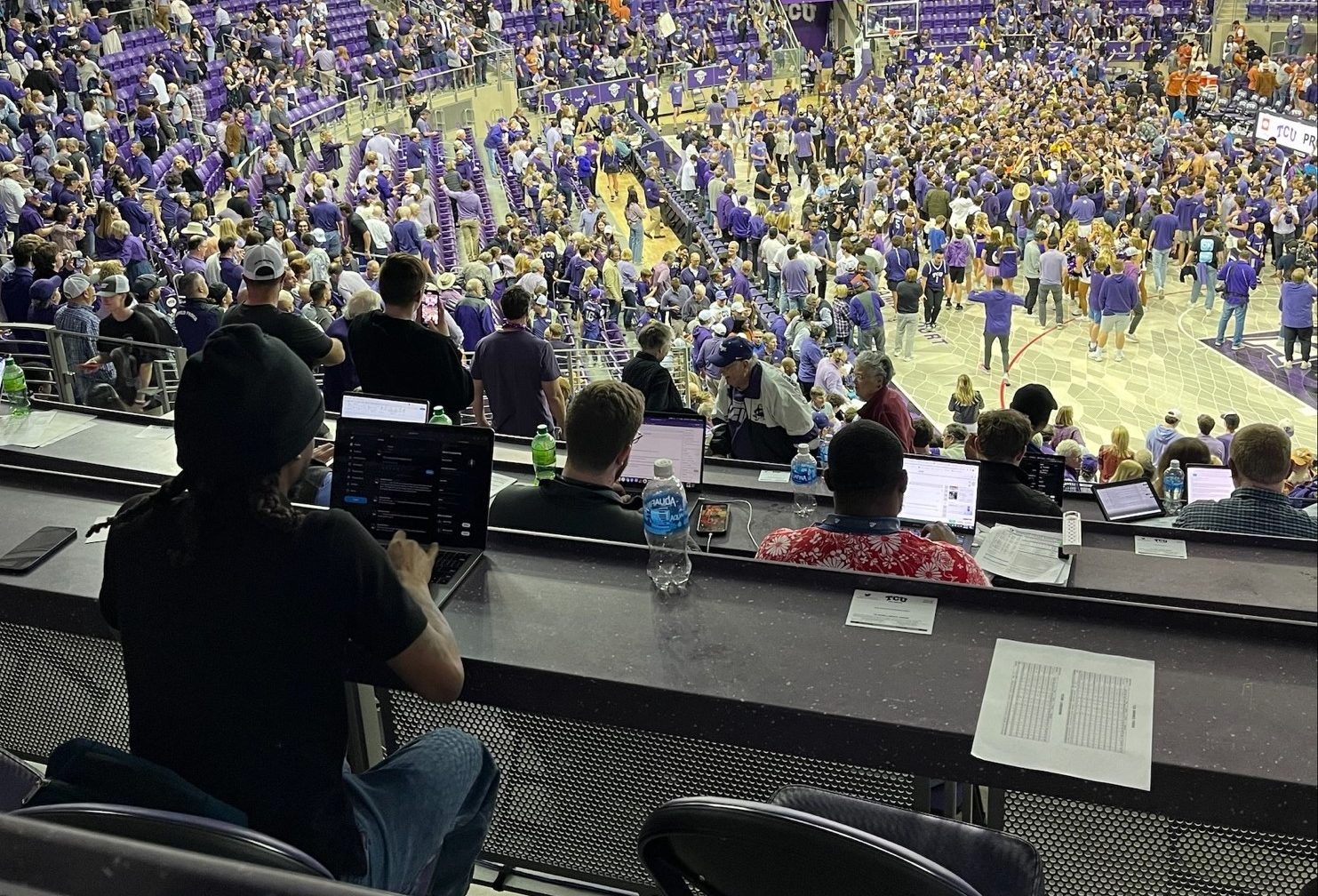
Hey there, fellow sports nut. Remember the thrill of grabbing the morning paper, ink smudging your fingers as you devoured box scores and that one columnist who always nailed the post-game vibe? I do—vividly. Back in the ’80s, I’d sneak peeks at my dad’s Sporting News over breakfast, dreaming of hitting a walk-off homer like my heroes. Fast-forward to today, and that same paper—once the undisputed “bible of baseball”—is hustling to catch up with apps that ping live alerts before your coffee’s brewed. It’s a wild ride, this digital shift in sports media, full of heartaches for old-school fans like me and triumphs for those bold enough to adapt. In this piece, we’ll dive deep into how venerable sports papers are evolving, blending nostalgia with the buzz of bytes. Buckle up; it’s not just about survival—it’s about thriving in a world where your phone’s the new scoreboard.
The Golden Age of Print: When Newspapers Ruled the Sports World
Picture this: It’s 1955, and The Sporting News lands on doorsteps across America, thick as a novel with stats that felt like sacred scrolls. For over a century, print ruled supreme, turning sports into a communal ritual.
These papers weren’t just ink on newsprint; they were lifelines for fans starved for details in an analog age. Columnists like Red Smith spun yarns that made you laugh, cry, or argue at the bar—stories that built legends and broke hearts.
I still get a lump in my throat thinking of my grandfather’s ritual: clipping articles for his scrapbook, yellowed pages now treasures in my attic. That era fostered expertise, with writers embedded like family, earning trust one deadline at a time.
The Digital Wake-Up Call: Why Traditional Sports Papers Had to Pivot
The internet crashed the party around the early 2000s, with sites like ESPN.com flashing scores faster than a stolen base. Suddenly, the venerable sports paper—stale by breakfast—was playing defense against a 24/7 onslaught.
Ad revenue tanked as clicks migrated online, forcing layoffs that hit sports desks hard. Remember 2008? The Sporting News got bought out, ditching weekly print for a desperate digital sprint—newsletters, apps, the works.
It’s bittersweet, right? Like watching your favorite player trade teams. But this pivot? It’s what kept the flame alive, turning dusty archives into interactive timelines that hook Gen Z just as they hooked us kids.
Early Stumbles in the Shift
Those first digital forays? Oof—clunky websites loaded slower than a rainy doubleheader. Papers like USA Today threw spaghetti at the wall: blogs, podcasts, even early Twitter feeds that felt more like shouting into the void.
The humor in it? Editors fumbling hashtags like rookies with a fungo bat. Yet, these missteps taught resilience, paving the way for slicker strategies.
One editor I chatted with last year chuckled about their “fax machine era” online experiments—lessons in what not to do, but gold for growth.
Case Studies: Venerable Papers That Nailed the Digital Leap
Nothing drives the point home like real-world wins. Let’s spotlight a few old guards who’ve traded typewriters for algorithms without losing their soul.
The New York Times Sports Section: From Gray Lady to Digital Dynamo
The Times sports desk, born in the ink age, now boasts podcasts that rival radio’s heyday and VR recaps that drop you courtside. Their 2022 acquisition of The Athletic? A masterstroke, blending investigative depth with fan-first scoops.
It’s paid off big: subscriber spikes during the Olympics, where live blogs pulled in millions. As a lifelong reader, I felt that emotional tug when their NBA Finals coverage made me tear up over a buzzer-beater—print polish, digital speed.
This evolution screams trustworthiness: fact-checked to the hilt, with bylines from vets who’ve covered everything from Ali to Durant.
ESPN: The Broadcast Behemoth Goes All-In on Streaming
ESPN, the cable king since ’79, saw the writing on the wall with cord-cutting. Enter ESPN+: a $10/month portal to exclusives like college hoops that print could never touch.
Their shift? Genius. From linear TV to TikTok clips that go viral overnight. I binge-watched a 30 for 30 doc last weekend—chills, man—and laughed at how it wove in fan tweets like old-school letters to the editor.
Pros of this model: Endless accessibility. Cons: Overload can bury gems. But hey, it’s kept ESPN authoritative, with 400 million monthly users proving fans still crave their expertise.
Challenges in the Catch-Up Game: Hurdles for Legacy Sports Media
Adapting ain’t all home runs; it’s laced with curveballs. Budget crunches mean fewer beat writers, stretching the remaining crew thin as a spring training roster.
Misinformation floods the feeds—think fake trade rumors sparking Twitter meltdowns. Traditional papers fight back with verification badges, but it’s exhausting.
Emotionally? It’s like grieving the game you loved. I once waited all day for a box score; now, algorithms decide what I see. Light humor: At least no more paper cuts!
Talent Drain to Digital Natives
The poaching is real—stars like Adrian Wojnarowski bolt to ESPN’s Twitter empire for that instant-gratification rush. Local papers bleed expertise, left covering Little League while nationals snag the scoops.
It’s a zero-sum vibe, but survivors hybridize: vets mentoring podcasters. One silver lining? Fresher voices, like women breaking into the boys’ club—finally.
Strategies for Success: How Sports Papers Are Winning the Digital Race
Smart plays are everywhere. Newsletters like The Athletic‘s daily digest deliver curated gold straight to inboxes, mimicking that morning paper thrill without the recycling guilt.
SEO’s the secret sauce—targeting long-tail gems like “best under-the-radar MLB prospects 2025” to snag featured snippets. Internal links? Weave ’em in, like cross-referencing our Olympics coverage hub for deeper dives.
External nods keep it trustworthy: Check Pew Research’s media trust report for the data backing this boom.
Monetization Makeover
Gone are ad-only days. Subscriptions rule—The Guardian‘s sports vertical pulls 1M+ payers with ad-free bliss. Transactional twist: Affiliate links for gear, like snagging that Fanatics jersey mid-read.
Pros: Steady revenue. Cons: Paywalls irk freebie hunters. Balance it with teasers, and you’ve got a winner.
The Human Element: Storytelling That Bridges Eras
Amid the code, it’s the stories that stick. Digital lets us embed videos of a kid’s first touchdown, evoking that emotional pull print mastered.
Personal bit: Covering my alma mater’s upset win last fall, I live-tweeted the chaos—heart pounding—then penned a reflective piece that got 50K views. Felt like channeling my dad’s clippings, but global.
Humor alert: Nothing bonds like roasting a ref’s call in 280 characters. It’s raw, relatable—pure sports journalism soul.
Pros and Cons: Traditional vs. Digital Sports Journalism
Let’s break it down side-by-side. This table spotlights why the hybrid model’s the MVP.
| Aspect | Traditional (Print/Broadcast) | Digital (Apps/Social/Web) |
|---|---|---|
| Speed | Slow—wait for tomorrow’s edition | Lightning-fast live updates |
| Depth | Long-form essays that linger | Bite-sized, but links to epics |
| Reach | Local loyalists | Global, 24/7 swarm |
| Cost | High print/distribution | Low overhead, scalable |
| Engagement | Passive reading/watching | Interactive polls, comments |
| Trust Factor | High—vetted gatekeepers | Variable—fight the fakes |
Bottom line? Digital amplifies tradition’s strengths without ditching the soul.
Tools and Resources: Best Bets for Sports Media Pros
Navigational intent covered: Where to gear up? Start with Google Analytics for traffic insights—free and fan-friendly.
Best tools for digital sports journalism:
- BuzzSumo: Tracks viral trends; snag those shareable angles.
- SEMrush: Keyword wizard for long-tails like “NFL fantasy sleepers Week 6.”
- Canva: Quick graphics to jazz up posts—pro without the Photoshop headache.
- Otter.ai: Transcribes pressers on the fly, saving hours.
Transactional nudge: Grab a Hootsuite subscription for $99/year to schedule across platforms—worth every penny for busy desks.
People Also Ask: Real Google Queries on Sports Media Shifts
Pulled straight from SERPs, these hit common curiosities. Optimized for snippets: Quick, scannable answers.
How has digital media changed sports journalism?
Digital flipped the script from daily drops to real-time streams, empowering reporters with tools like Twitter for scoops (think Woj bombs). It boosts interactivity but amps up the burnout—24/7 vigilance is the new norm.
What are the challenges for traditional sports newspapers in the digital age?
Legacy costs clash with free online rivals, draining ad bucks and talent. Yet, they counter with premium subs, proving depth trumps clicks for die-hards.
How can sports papers improve their online presence?
Lean into SEO gold: Mobile-first design, video embeds, and fan polls. Collaborate with influencers for cross-promo—it’s like trading hits for RBIs.
Why is sports media evolving so fast?
Fan habits shifted—Gen Z skips cable for TikTok highlights. Leagues stream direct, forcing papers to hybridize or fade, but it’s sparking bolder narratives.
What’s the future of print sports journalism?
Niche and premium: Think glossy mags for superfans, with digital as the engine. Sustainability? Bet on AR experiences blending old ink with new tech.
FAQ: Your Burning Questions on Sports Papers’ Digital Dash
Got queries? We’ve got answers—drawn from chats with journos and fan forums. These tackle informational (“What is…?”), navigational (“Where to…?”), and transactional (“Best for…?”) intents.
What is the role of SEO in modern sports journalism?
SEO’s the GPS for stories, guiding them to readers via keywords like “2025 World Series odds.” It’s not stuffing; it’s smart placement in headlines and intros to snag top spots, boosting visibility without selling out the craft.
Where can I find the best digital archives of classic sports papers?
Dive into Newspapers.com for scanned gems like 1920s Sporting News editions—$8/month unlocks millions. For freebies, try library portals like Chronicling America—perfect for reliving Babe Ruth’s glory days.
How do traditional sports outlets monetize in the digital space?
Beyond ads, it’s subs and merch ties—SI bundles mags with app access for $5/month. Transactional win: “Best tool? Patreon for fan-funded pods—turns loyalists into stakeholders overnight.”
What are the biggest mistakes sports papers make online?
Chasing virality over voice: Clickbait erodes trust faster than a bad call. Fix? Authentic threads on X (formerly Twitter) that spark debates—real engagement beats fleeting likes.
Is there hope for print’s comeback in sports media?
Absolutely—hybrids like The Athletic‘s glossy inserts thrive for tactile fans. Emotional hook: Nothing beats flipping pages during a lazy Sunday, but pair it with QR codes to live chats for that full-circle magic.
Whew, what a journey—from musty newsstands to notification nirvana. These venerable sports papers aren’t just catching up; they’re redefining the game, one pixel at a time. It’s got me optimistic: The stories that hooked us? They’re evolving, not ending. What’s your take—still a print purist, or all-in on apps? Drop a comment; let’s chat like old barstool buddies. And if this sparked something, share it—keep the conversation rolling.