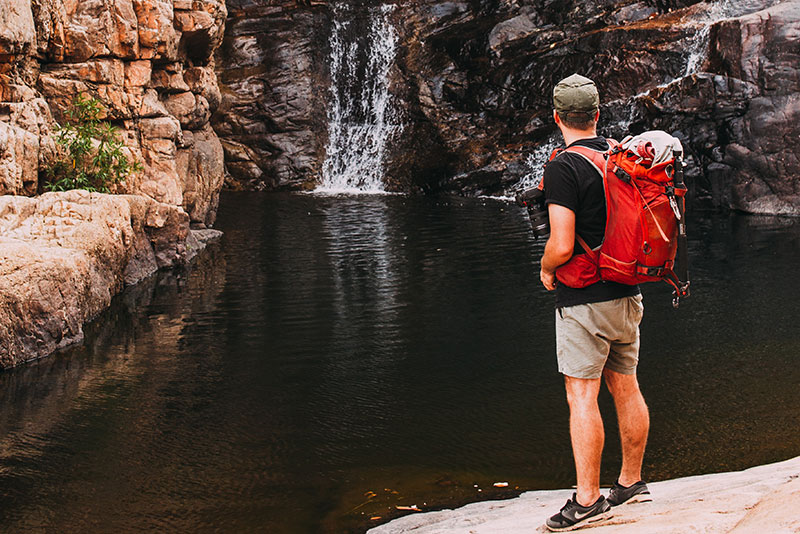
Hey there, wanderer. Picture this: It’s 2017, and I’m standing in a bustling Bangkok night market, sweat dripping down my back, my backpack heavier than my regrets from that third serving of pad thai. I’d just quit my dead-end office job back home, armed with a one-way ticket and a vague notion that “traveling light” meant cramming my entire wardrobe into a 40-liter bag. Spoiler: It didn’t. By the time I hit the beaches of Koh Phi Phi, I’d learned the hard way that overpacking isn’t just cumbersome—it’s a thief of joy, stealing space for spontaneous street food runs and impromptu sunset swims. Fast-forward eight years, and after circling the globe through 45 countries—from the misty fjords of Norway to the dusty souks of Marrakech—I’ve honed my kit down to the absolute essentials. No fluff, no “just in case” gadgets that gather dust. This guide? It’s born from those miles, those mishaps, and those magic moments. If you’re itching to chase horizons without the hassle, let’s unpack (pun intended) everything you truly need to travel the world.
Why Packing Light Changes Everything
Traveling the world isn’t about hauling your life in a suitcase—it’s about freedom to pivot when that hidden waterfall calls your name or a local invites you to their village festival. Over the years, I’ve swapped bulk for versatility, realizing that less gear means more bandwidth for the unexpected. Think of it like this: Every extra ounce is a vote against dancing through Rome’s cobblestone streets at midnight. My first solo trip taught me that lesson painfully—I lugged heels for “nice dinners” that never happened, only to wear flip-flops everywhere. Now, my setup fits in a carry-on, saving me baggage fees and backaches. It’s not minimalism for minimalism’s sake; it’s smart packing that amplifies adventure.
Essential Documents: Your Non-Negotiable Passport to Adventure
Your documents are the quiet heroes of any journey, the ones that get you across borders without a hitch. I’ve had my fair share of close calls—like the time in Istanbul when my passport photo raised eyebrows at customs, but a crisp photocopy and e-visa printout smoothed things over. Start here, because nothing derails a dream faster than a forgotten visa.
What Counts as Essential Travel Documents?
From passports valid for at least six months beyond your return date to printed itineraries and emergency contacts, these papers form your safety net. I always scan everything onto a password-protected cloud drive—Google Drive works great for this—and email copies to a trusted friend back home. Pro tip: Yellow fever certificates if you’re heading to parts of Africa or South America; they’re non-negotiable at some borders.
Where to Get Visas and Entry Requirements
Navigating visas can feel like a puzzle, but sites like iVisa.com make it painless with e-visa applications for over 200 countries. For real-time updates, check the U.S. State Department’s travel advisories or equivalents like the UK’s FCDO. My trick? Apply three months out, and always over-prepare—better to have an extra stamp than a denied entry story.
The Perfect Travel Bag: Your Mobile Home Base
Choosing the right bag is like picking a life partner—it has to handle rough roads, keep you organized, and never let you down. After testing everything from roller suitcases that snag on hostel stairs to overpriced designer totes, I landed on versatile backpacks that double as daypacks. They’re the unsung MVPs for world travelers, blending durability with ease.
Backpack vs. Suitcase: A Quick Comparison
| Feature | Backpack | Suitcase |
|---|---|---|
| Mobility | Excellent for trains, hikes, cities | Best for smooth airports, hotels |
| Durability | High (weather-resistant fabrics) | Varies (wheels wear out fast) |
| Capacity | 30-50L ideal for carry-on | 60L+ but often checked |
| Cost | $100-200 for quality | $150-300, plus fees |
| Best For | Adventure, solo travel | Luxury, family trips |
Backpacks win for me every time—my Osprey Farpoint 40 has survived monsoons in Vietnam and cobblestones in Prague without a tear. If you’re more wheels-inclined, the Away Carry-On is a sleek alternative, but remember: Check airline size limits religiously.
Clothing Essentials: Versatile Layers for Every Climate
Clothing is where most folks go wrong—packing for every “what if” scenario until their bag groans in protest. I’ve learned to embrace mix-and-match neutrals that layer like a pro, from chilly Patagonia treks to sweltering Bali beaches. The goal? Seven outfits from five pieces, with room for that quirky market find.
Building a Capsule Wardrobe for Global Travel
Focus on merino wool tees (odor-resistant magic—I wore one for five days straight in India without a whiff) and quick-dry pants that convert to shorts. Add a packable rain jacket and scarf for instant modesty or warmth. Women: Flowy maxi dresses double as cover-ups. Men: Slim chinos over jeans for breathability.
- Tops: 3-4 merino tees, 1 long-sleeve button-up
- Bottoms: 2 pants/shorts, 1 leggings (for flights or hikes)
- Outerwear: Lightweight jacket, hat, sunglasses
- Underwear/Socks: 5-7 pairs, moisture-wicking
Humor alert: I once packed a cocktail dress for “fancy nights” in hostels. It became a picnic blanket. Lesson learned—versatility over vanity.
Toiletries and Health Kit: Stay Fresh, Stay Safe
Nothing kills the vibe like a mid-flight zit or a tummy bug from street tacos (delicious, but risky). My kit is compact, TSA-compliant, and battle-tested—think of it as your personal pharmacy on the go. I’ve dodged Delhi belly more times than I can count, thanks to smart stocking.
Must-Have Health and Hygiene Items
Pack in a quart-sized bag: Travel-sized shampoo, toothpaste, deodorant, and a razor. For health, include prescriptions, pain relievers, antidiarrheal meds, and hand sanitizer. I swear by electrolyte packets for rehydration after long hauls—they saved me in the Sahara.
Pros of a Minimal Kit:
- Saves space and weight
- Forces reliance on local buys (cheaper!)
- Reduces waste with reusables
Cons:
- Forgets lead to pricey airport runs
- Limited for chronic needs
Don’t skip sunscreen—SPF 50+ is non-negotiable, even in cloudy Scotland. And for women, menstrual cups are a game-changer: One small pouch, zero landfill guilt.
Tech Gadgets: Stay Connected Without the Bulk
Tech is your lifeline for navigation, photos, and “that one email” from work. But after frying a charger in a Thai thunderstorm, I streamlined to multi-use wonders. No more lugging a forest of cables—everything charges via USB-C now.
Top Tech Picks for 2025 Travelers
- Universal Adapter: Epicka version covers 150+ countries; I’ve plugged in from Tokyo to Timbuktu.
- Power Bank: Anker 20,000mAh—charges my phone thrice on a 12-hour flight.
- E-Reader: Kindle Paperwhite for offline escapism (load up on free Lonely Planet guides).
For cameras, my iPhone 15 Pro handles 90% of shots—pro-level zoom without the bulk. Apps like Google Translate (offline mode) and Hopper (flight alerts) are free must-downloads.
Money Management: Budget Smart, Spend Wisely
Flashback to my broke backpacker days in hostels: Haggling for mangoes in Vietnam while nursing a $200 ATM fee hangover. Money mishaps are avoidable with the right tools—cards that dodge fees, apps that track spends, and a cash stash for markets.
Best Ways to Handle Currency Abroad
Use a no-foreign-fee card like the Chase Sapphire Preferred (earn miles on every meal) and a Wise debit for low-conversion rates. Split cash in three spots: Wallet, hidden pouch, bag. Aim for $100-200 USD equivalent daily, but apps like Trail Wallet log it all.
Booking and Navigation: Where to Find the Best Deals
Booking isn’t just about cheap flights—it’s about seamless connections that let you focus on the view. I’ve scored $300 round-trips to Europe via Skyscanner alerts, but the real win? Tools that adapt to changes, like that canceled train in Spain.
Essential Apps for Planning and Getting Around
- Skyscanner: “Everywhere” search for inspiration.
- Rome2Rio: Multi-modal routes (bus + ferry? Yes please).
- Booking.com: Flexible cancellations for hostels/hotels.
For 2025, TripIt auto-builds itineraries from emails—pure genius when juggling ferries in Greece.
Safety and Insurance: Peace of Mind on the Road
Travel’s thrills come with risks, and I’ve had my share: Pickpocketed in Barcelona (lost a camera, not my cool) and sidelined by food poisoning in Mexico. Insurance isn’t optional—it’s your eject button for worst-case scenarios.
Comparing Top Travel Insurance Providers for 2025
| Provider | Medical Max | Trip Cancel | Annual Cost (Solo, 2 Weeks) | Best For |
|---|---|---|---|---|
| Travelex | $50K | 100% | $45 | Families |
| WorldTrips | Unlimited | 100% | $35 | Budget Adventurers |
| Allianz | $500K | 100% | $50 | High Coverage |
| IMG | $1M | 100% | $40 | Medical Focus |
Get quotes at InsureMyTrip.com—they compare 20+ plans. I opt for annual policies now; at $150/year, it’s cheaper than one bad sprain.
Pros of Travel Insurance:
- Covers evacuations (helicopter from Everest Base? Check)
- Reimburses delays (stuck in Dubai? Beers on them)
Cons:
- Claims can be bureaucratic
- Pre-existing conditions exclusions
Pack a money belt and download offline maps—safety’s 90% smarts, 10% luck.
People Also Ask: Real Questions from Fellow Globetrotters
Google’s “People Also Ask” shines a light on what real travelers wonder. Pulled fresh from searches like “everything you need to travel the world,” here are answers optimized for quick insights.
What is the 5-4-3-2-1 packing method?
This rule keeps it simple: 5 tops, 4 bottoms, 3 accessories, 2 pairs of shoes, 1 watch (or swimsuit). I use it religiously—cut my bag weight by 30% on a Southeast Asia loop. It’s perfect for overpackers, forcing tough choices like ditching that extra jacket.
How much should I budget for a year of world travel?
Expect $15,000-25,000 for a solo shoestring trip, covering flights ($3K), lodging ($5K), food ($4K), and misc. I stretched $18K across 12 months by Couchsurfing and street eats—haggle hard, but splurge on experiences like a Galápagos day trip.
What are the best apps for traveling the world?
TripIt for itineraries, Google Maps offline for navigation, and Duolingo for basic phrases. Hopper predicts flight dips, saving me $200 on a Lisbon hop. Download before takeoff—data roaming’s a wallet killer.
Where can I find cheap flights for round-the-world travel?
Start with Skyscanner’s “Everywhere” tool or RoundTheWorldDeals.com for multi-city tickets. I bagged a 6-continent loop for $4,500 via OneWorld alliances—book mid-week, be flexible.
How do I pack light for long-term travel?
Roll clothes, use compression cubes, and embrace laundry every week. My rule: If it doesn’t fit in a 40L bag, it stays home. Test-pack a weekend trip first—saved me from suitcase remorse in Peru.
Pros and Cons of Solo vs. Group World Travel
Solo: Ultimate freedom, deep connections, but loneliness creeps in on rainy nights. Group: Shared laughs, split costs, yet compromises kill spontaneity. I solo 70%—it’s empowering, like claiming Tokyo’s neon as your own.
FAQ: Your Burning Questions Answered
Do I really need travel insurance for backpacking?
Absolutely—backpackers face higher risks like theft or altitude sickness. A basic plan ($30/trip) covers $10K+ in medical; I’ve claimed twice, from a scooter wipeout in Bali to lost gear in Croatia. Skip it, and one ER visit wipes your savings.
What’s the one item I can’t travel without?
My e-reader—it’s 10,000 books in my pocket, plus audiobooks for 20-hour flights. Beats lugging paperbacks that add pounds. For you? Maybe noise-cancelling headphones; silence on packed buses is gold.
How do I avoid overpacking for international trips?
Lay it all out, then halve it. Ask: “Will I wear this thrice?” My first Europe jaunt had too many sweaters; now, I layer thin merino. Use PackPoint app for personalized lists—game-changer.
Best budget gear for beginners traveling the world?
Osprey Daylite backpack ($50), merino socks ($20/pair), and a LifeStraw bottle ($20) for safe water anywhere. Total under $150, and they’ve carried me through hostels and hikes unscathed.
How often should I repack during long trips?
Weekly laundry cycles keep it fresh—find laundromats via Google Maps. I repack fully monthly, shipping home souvenirs via USPS M-Bags—cheap and clutter-free.
There you have it—your blueprint to globe-trotting without the grief. From that Bangkok market meltdown to sipping wine in Tuscan hills, every scar and souvenir shaped this list. Travel isn’t about perfection; it’s about presence. So grab your passport, ditch the doubts, and go claim your stories. The world? It’s waiting, lighter than you think. Safe journeys, friend.